```html
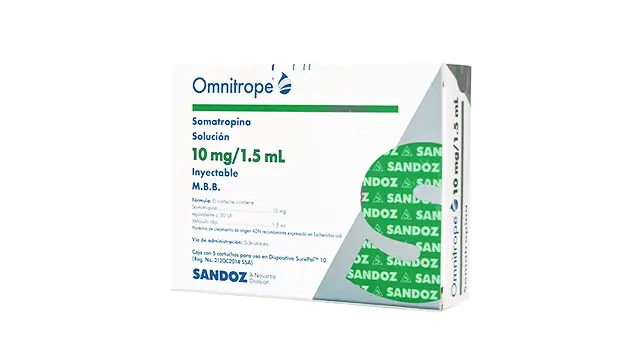
Omnitrope® is a brand name commonly used to refer to a recombinant form of human growth hormone (somatropin). Many readers look it up to understand how it is presented, what handling looks like, and how it compares to other growth hormone formats in everyday routines. This page is written as a neutral reference—focused on terminology, presentation, and practical notes rather than marketing language.
Storage instructions depend on the specific presentation and the official product insert. As a general rule across many somatropin formats, keep the product refrigerated within the recommended range before preparation, avoid freezing, and avoid shaking. After preparation, follow the labeled timeframe and refrigeration guidance to reduce unnecessary temperature swings and handling errors.
Omnitrope is commonly described as a somatropin presentation (recombinant human growth hormone). It is designed to mirror the structure of naturally occurring growth hormone produced by the pituitary gland. People usually research Omnitrope when comparing different formats, learning how preparation and storage work, and building a clear understanding of terminology used in growth hormone discussions.
Online discussions often associate growth hormone formats with themes like recovery, sleep quality, energy consistency, body composition, and connective tissue turnover. The practical takeaway for most readers is to focus less on hype and more on the basics: a consistent routine, conservative approaches, and reliable information sources.
Dosage decisions are individualized and depend on clinical context, lab monitoring, and professional guidance.
In educational settings, dosing is typically discussed as something that is adjusted over time based on response and tolerability rather than treated as a fixed one-size-fits-all number.
If you are researching somatropin formats, treat dosage information you see online as general context—not personal instruction.
Educational sources often mention temporary adjustment effects such as injection-site irritation, fluid shifts, joint stiffness, tingling sensations, headaches, or sleep changes. People usually reduce risk by staying conservative, avoiding improvisation, and paying attention to how their body responds over time.
Growth hormone discussions commonly include caution for people with metabolic risk factors or complex medical histories. If someone has diabetes-related concerns, prior neurological issues, or other chronic conditions, the standard recommendation is to treat this as a professional, monitored decision—not a DIY experiment.
When growth hormone is used in appropriate settings, monitoring typically focuses on overall health markers and individual response. The goal is consistency and safety: avoid jumping doses, avoid stacking random “protocols” from the internet, and prioritize structured decision-making.
Most educational materials list strict avoidance in scenarios involving active malignancy, acute critical illness, or known hypersensitivity to ingredients. When in doubt, the safest baseline is to pause and get a professional evaluation before making any decisions.