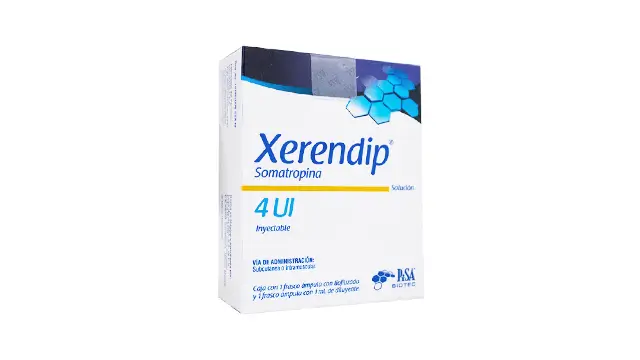
Xerendip is commonly discussed as a synthetic (recombinant) form of human growth hormone. Naturally, growth hormone is produced by the pituitary gland and is involved in growth signaling and broader metabolic regulation. Most readers exploring Xerendip are comparing formats, handling, and routine practicality rather than looking for hype.
Storage rules depend on the specific presentation and the official product instructions. As a general handling principle, keep Xerendip® in a secure place, out of direct sunlight, and away from children and pets. Avoid freezing, and prioritize stable temperature conditions to reduce unnecessary exposure to heat or repeated changes.
Xerendip is commonly referenced as a recombinant human growth hormone (somatropin) presentation. People usually look it up when comparing different HGH formats and trying to understand how storage, handling, and day-to-day routines differ across brands and presentations.
Historically, growth hormone has been used in clinical contexts where it is medically appropriate. In modern longevity and performance discussions, the focus often shifts to practical questions: how the product is presented, how it is handled, and how consistently a routine can be followed without improvisation.
Adults exploring information about Xerendip are often interested in topics like recovery, sleep quality, energy consistency, and body composition. In most cases, what people want is a neutral explanation of terminology and realistic expectations—what the format is, what handling looks like, and what factors matter when comparing it to other options.
Discussions around Xerendip typically include themes like metabolic regulation, recovery support, and body composition. In research and clinical education, growth hormone is commonly linked to pathways involving protein synthesis, bone and connective tissue turnover, and broader endocrine balance. When comparing brands, readers usually focus on the practical: presentation, storage rules, and consistency of routine.